Although Porsche is considering scrapping the 718 Boxster and Cayman EVs, Audi’s CEO told employees that the electric TT successor is still on track.
Audi says its EV sports car is still on track
Following the Taycan, Macan Electric, and Cayenne Electric, Porsche was planning to introduce the 718 Boxster and Cayman EVs as early as this year.
That may no longer be the case. According to a recent Bloomberg report, Porsche’s new CEO, Michael Leiters, may cancel the EV sports cars altogether, citing sources familiar with the matter. The source said higher expenses and development were to blame.
Following the report, speculation arose that sister brand Audi’s upcoming electric TT successor, which will share batteries, drivetrains, and other components with the 718 EVs, was also on the chopping block.
Advertisement - scroll for more content
Audi’s CEO, Gernot Döllner, told employees in an internal letter (via Autocar) that “The delivery of the platform by Porsche is not in question.”
The letter, first reported by the German newspaper Donaukurier, added that the partnership is “proceeding in good collaboration between Team Porsche and Team Audi.”
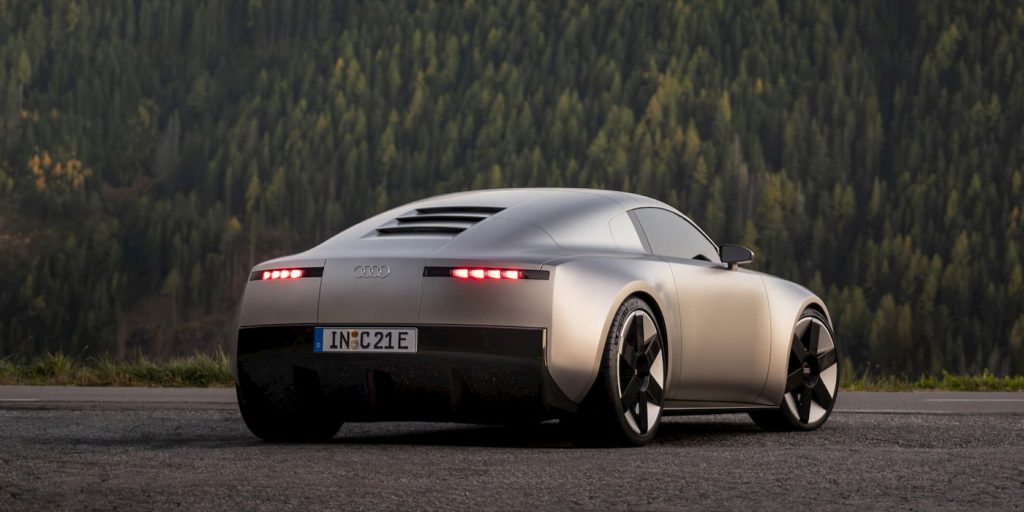
Audi Concept C electric sports car (Source: Audi AG)
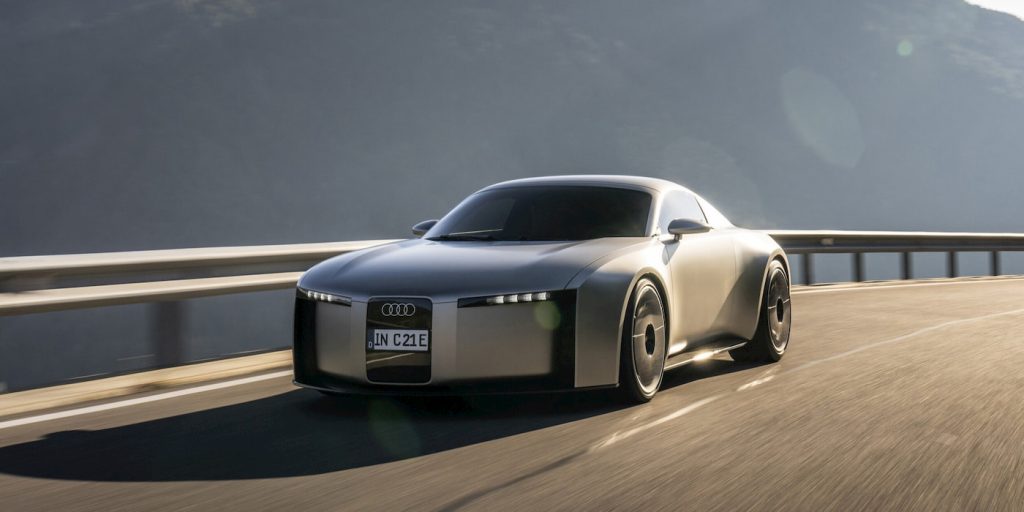
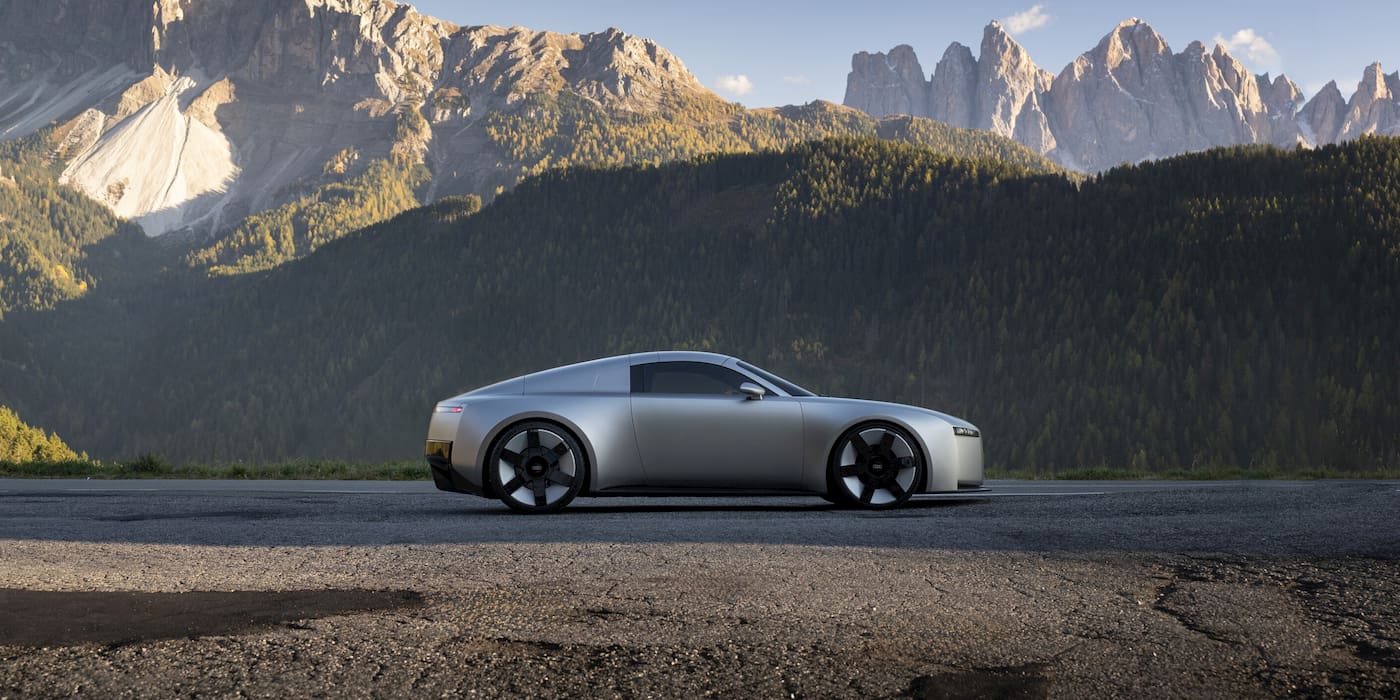
Audi previewed the two-seat electric roadster, dubbed the Concept C, at the Munich Motor Show last September.
With a length of 178″ (4,520 mm), the concept is considerably longer than the outgoing TT. It’s closer in size to the R8.
Audi Concept C electric sports car (Source: Audi AG)
Since it’s the first vehicle from Audi’s new chief designer, Massimo Frascella, the electric TT successor showcases what the brand will look like in the future. One of the biggest changes will be to Audi’s signature grille, which will adopt a narrow, more upright design.
Electrek’s Take
The message from Audi’s CEO is clear: The luxury brand is moving ahead with its next-generation electric sports car with or without Porsche.
Porsche is already turning back to hybrid and gas-powered vehicles after failing to keep up with other luxury automakers that have shifted to all-electric options.
Audi’s new CEO, on the other hand, appears committed to moving forward with EVs. In September, Döllner criticized the EU’s consideration of extending the use of internal combustion engine (ICE) vehicles, calling it “counterproductive,” adding, “I don’t know of any better technology than the electric car for advancing CO2 reduction in transportation in the coming years.”
Even apart from climate protection, “the electric car is simply the better technology,” he said. This is even more evident with high-performance vehicles.
With instant torque and a lower center of gravity, electric vehicles are faster and have more control than ICE vehicles.
— Source: Electrek (https://electrek.co/2026/02/18/porsche-may-scrap-ev-sports-car-but-this-luxury-brand-wont/)